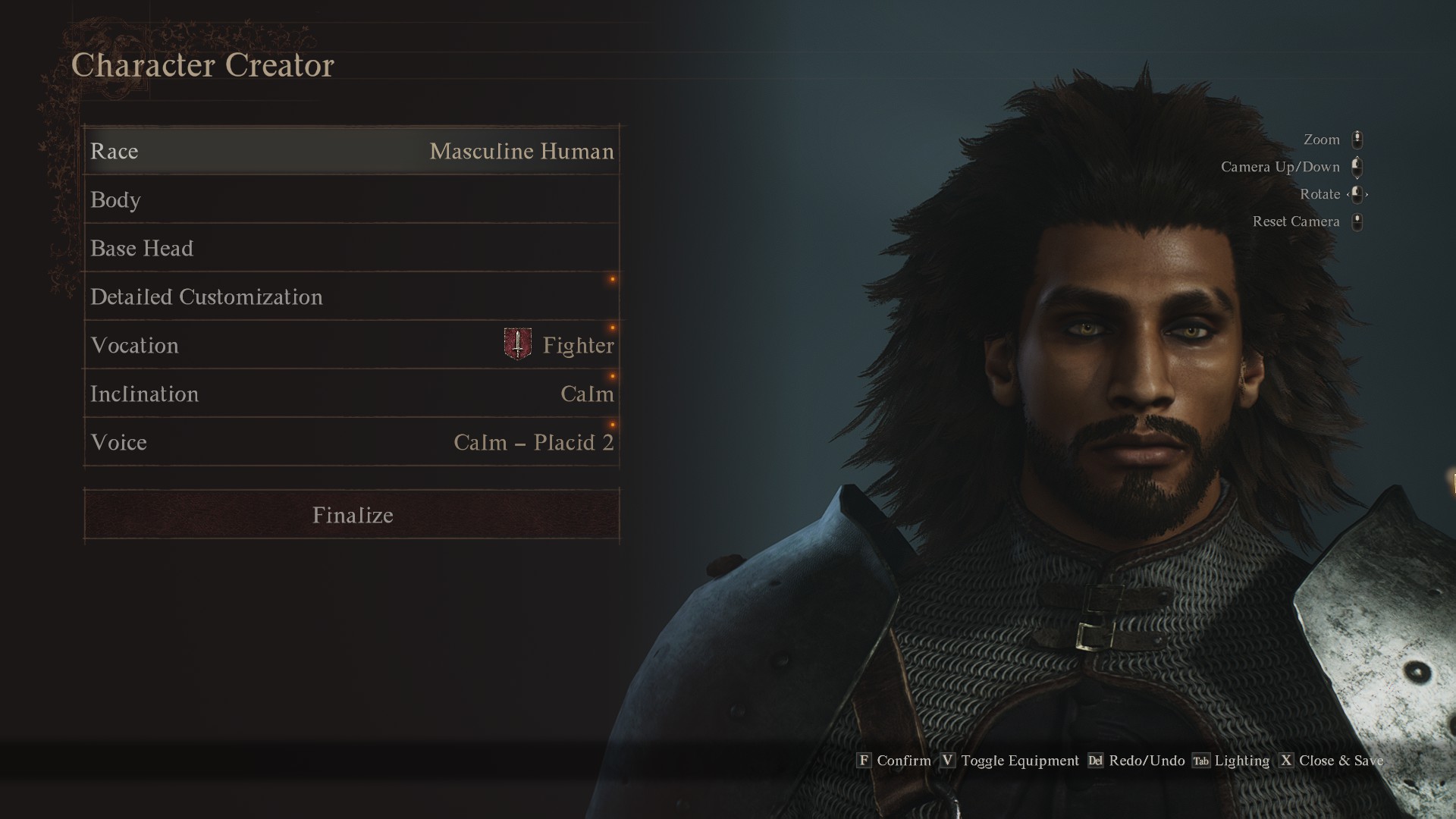
Great characters rarely appear fully formed. They emerge through choices: what someone wants, what they fear, what they will not do, and how they change under pressure. An online character creator or character design tool can speed up that discovery process, especially when you’re juggling a novel outline, a tabletop party, or branching game character creation. Used well, these online character creation tools don’t replace imagination; they reduce blank-page friction, surface contradictions early, and help you keep a cast consistent across scenes and sessions. Start from the Creator Haven home page if you want to compare the wider directory before choosing a workflow.
The key is picking a character creation tool that matches your medium. A writer may need a character profile template, writing prompts, and character development notes for voice and arc. A roleplayer may need a roleplay character sheet or RPG character generator for hooks, bonds, and quick references at the table. A game designer needs trackable variables—stats, flags, relationships, and dialogue states—often supported by structured worldbuilding tools. The best resources make it easy to iterate, share, and revisit decisions without losing the emotional core of the character.
Choose tools based on the kind of character you’re building
Before you open an AI character generator, backstory generator, or OC maker, define the job the character must do in your story or system. Is this a protagonist with a long arc, a recurring NPC, or a disposable encounter? That purpose determines how deep you should go and which online character creator workflow will help most.
| Use case | What you need most | Tool types that fit |
|---|---|---|
| Fiction writing | Voice, motivation, internal conflict, arc | Character questionnaires, scene prompts, timeline boards |
| Tabletop roleplaying | Hooks, bonds, gear, quick recall | Digital character sheets, random tables, relationship maps |
| Game narrative design | Consistency across branches, variables, reusable barks | Databases, dialogue tools, spreadsheets, state tracking docs |
| Worldbuilding ensembles | Social structure, factions, interpersonal tension | Network graphs, cast matrices, index-card style boards |
A helpful rule for any character design tool: if a character’s decisions will be referenced later (a reveal, a vow, a betrayal), you need a format—like a character profile template or tagged notes—that makes those decisions easy to retrieve. If the character exists to add texture (a shopkeeper, a guard), use a lightweight RPG character generator approach: focus on one memorable trait and a clear interaction style instead of a full biography.
Core online resources that reliably produce usable characters
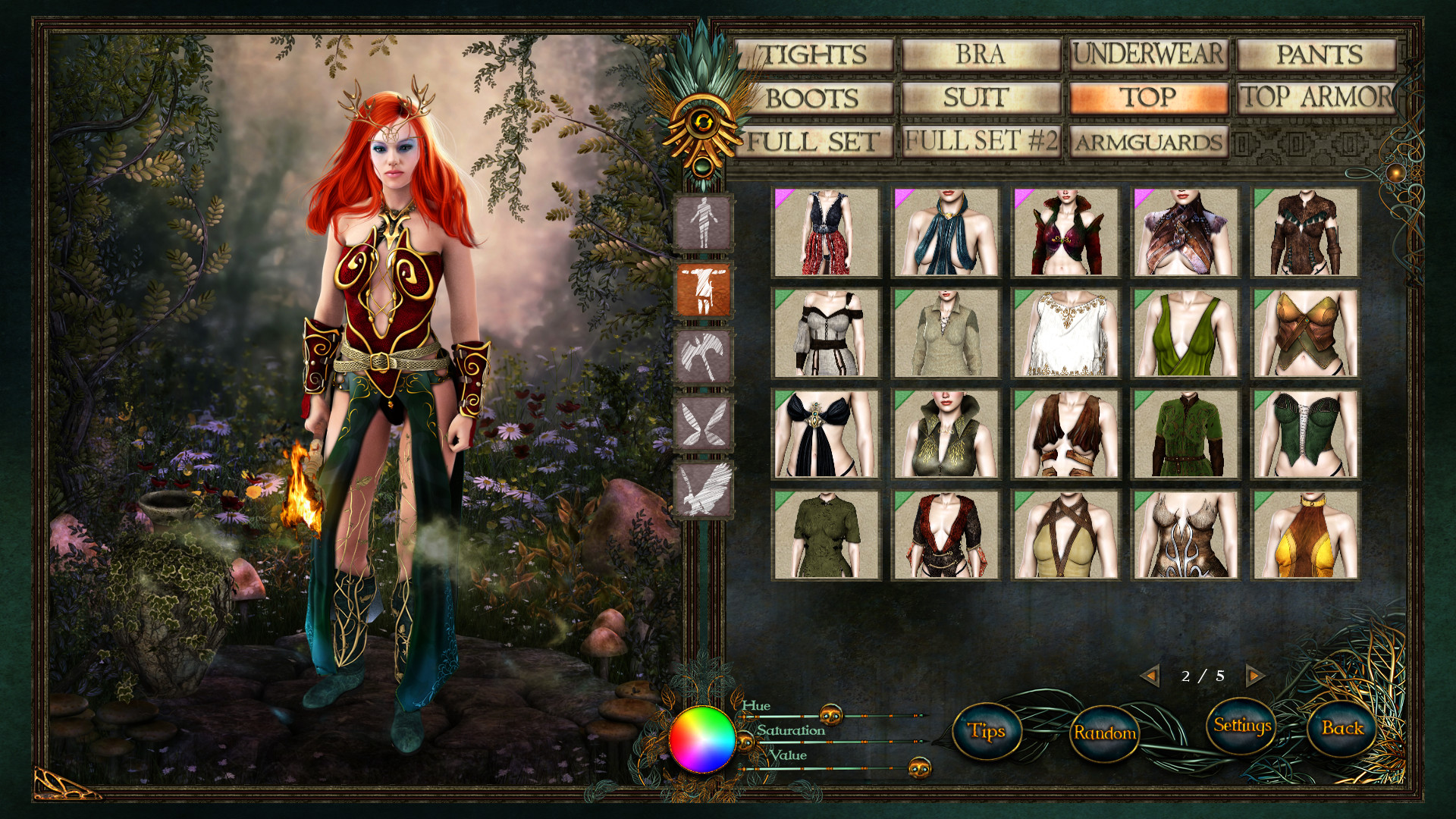
Not all character creators and generators are equal. The best options don’t just spit out “blue-eyed rogue” blurbs; they provide constraints that spark story and gameplay. Combine a few categories—like a name generator, backstory generator, and character profile template—and you’ll get characters that feel authored rather than assembled.
- Prompt banks and questionnaires that push beyond appearance: “What do they rationalize?” “What do they envy?” “Which boundary do they protect?”
- Random tables for quick NPCs: mannerisms, secrets, debts, rumors, and tells that show up in play or dialogue.
- Name and culture helpers that keep naming conventions consistent across regions, species, or eras.
- Digital character sheets that reduce table friction and keep rules elements aligned with personality choices.
- Relationship and faction mappers that show who pressures whom, who benefits, and where tension will erupt.
When you’re mixing online character creation resources, start with motivation and constraint first, then add surface details from an avatar creator or fantasy character creator if you need visuals. A distinctive scar is memorable, but a distinctive coping strategy under stress is what creates scenes—and that’s what the best character development prompts help you uncover.
A practical workflow: from spark to playable, consistent character
Online tools work best as a pipeline. Treat them like stages, not a single “character maker.” This keeps you from overbuilding and helps you stop when you have enough for writing, roleplay, or game character creation without losing consistency.
1) Start with a one-sentence engine
Write a single sentence that combines want, obstacle, and contradiction, then paste it at the top of your character profile template or roleplay character sheet. Example: “She wants public respect, but she can’t stop sabotaging allies when she feels ignored.” That sentence becomes your north star for every character creator, prompt list, or generator you use next.
2) Generate options, then curate hard
Use an AI character generator for traits, a backstory generator for formative events, and a name generator for options—but only keep what reinforces the engine. The goal is not completeness; it’s coherence you can play on an RPG character generator result or in a draft. Delete anything that reads like trivia.
3) Convert notes into decisions you can reference
For writers, that means a short “voice and boundaries” section inside your character profile template: what they never say, what they always notice, what they avoid. For roleplayers, it’s bonds and triggers on the roleplay character sheet. For game designers, it’s flags for game character creation: “trusts authority,” “protects sibling,” “won’t kill.” A good character design tool lets you tag, filter, or quickly scan these decisions later.
4) Stress-test with three scenes
Use writing prompts to draft three micro-scenes: one where they get what they want, one where they fail, and one where they must choose between values. If the character reacts the same way each time, add a pressure point or competing need in your character creator notes. If they react randomly, simplify the engine so your character development stays readable and playable.
Keep your cast consistent across chapters, sessions, or branches
Consistency is where online character organization tools shine. Drift happens when you forget what a character promised, what they fear, or how they speak—especially when you’re updating a DnD character builder, revising a roleplay character sheet, or tracking branching dialogue in game character creation. Build a lightweight reference you can update quickly, ideally in the same character profile template you already use.
| Consistency problem | What to record | Quick check to run |
|---|---|---|
| Voice shifts | 3 signature phrases, 3 banned phrases, pacing notes | Read dialogue aloud and remove “neutral” filler |
| Motivation gets fuzzy | Want, fear, lie they believe, boundary they protect | Can you explain their next action in one clause? |
| Relationships contradict | Power dynamic, debt, jealousy, shared history | Who benefits if this relationship breaks? |
| Game branches explode | State flags, reputation scores, quest outcomes | List which lines change when a flag flips |
| NPCs feel interchangeable | One strong opinion, one habit, one secret | Would a different NPC say the same thing? |
For ensembles, maintain a “cast matrix” as part of your worldbuilding tools or character database: rows are characters, columns are goals, fears, loyalties, and leverage. This turns your notes into a practical character design tool—you’ll immediately see who lacks a purpose, who duplicates another role, and where conflict can escalate naturally.
Common pitfalls and how to avoid them
Online character creation tools can tempt you into collecting details instead of building drama. If you feel stuck after using an OC maker or RPG character generator, it’s usually because the character has facts but no pressure—so your next step should be character development, not more trivia.
Pitfall: Overgenerated backstories. If a backstory generator gives you pages of history, keep only two formative events: one wound and one gift. Everything else can be discovered in scenes and updated in your character profile template.
Pitfall: Trait lists without behavior. A character creator output often lists adjectives; translate each into an observable action on the roleplay character sheet or design doc. “Brave” becomes “steps forward when others hesitate,” or “refuses to ask for help.”
Pitfall: Randomness that breaks tone. Use an AI character generator or random tables to propose options, then curate to match genre, setting, and theme so your fantasy character creator results don’t clash with your world.
Pitfall: Tools that don’t talk to each other. Choose a character design tool workflow you can copy between formats, so your character profile template, relationship map, and DnD character builder or other sheet stay aligned.
When you treat online character creation resources as a focused set of writing prompts, character profile templates, generators, and trackers, you get the best of both worlds: speed and depth. Build a clear engine, curate what you generate, and keep a small consistency record in your character creator notes. Your characters will feel sharper on the page, easier to roleplay from a roleplay character sheet, and more reliable inside complex game character creation systems.